


How to Support Local Haunted Attractions by Visiting and Sharing
Local haunted attractions don’t survive on screams alone. Find nearby haunts through local event calendars, map listings, social media, and recommendations from friends, then support local haunted attractions by buying a ticket, sharing your experience, and returning when the next season opens. Every visit helps keep the lights on behind the darkness.
A great haunt is built by more than jump scares. Artists, actors, technicians, and staff make each corridor feel alive. This guide shows you how to support local haunted attractions, choose a visit that suits you, and turn one night of fear into support for the people who create it. You’ll find practical ways to spread the word, make a return visit count, and help local haunted businesses thrive. Step into the shadows with purpose.
Table of Contents
Repeat visits help attractions evolve
Return in a later season and notice what has changed. A haunted attraction may revise its route, scenery, sound, lighting, or performances between visits. On your first walkthrough, you might remember a narrow hallway and a sudden burst of sound. On a return, look for a changed scene, a new character, or a different buildup of tension. Each visit can feel distinct, and buying another ticket supports the creative team. Don’t expect every room to be rebuilt. Small changes can transform a familiar scene.
Explore seasonal events when an attraction offers them. Some haunted attractions open beyond Halloween with themes such as Christmas, Valentine’s Day, St. Patrick’s Day, or Halfoween. A special event can give returning guests a new reason to walk through the doors. Follow an attraction’s own announcements for event dates, themes, and ticket details. If an AI tool suggests an event, verify the details on the attraction’s website. AI can be wrong, and an incorrect date can derail your plans.
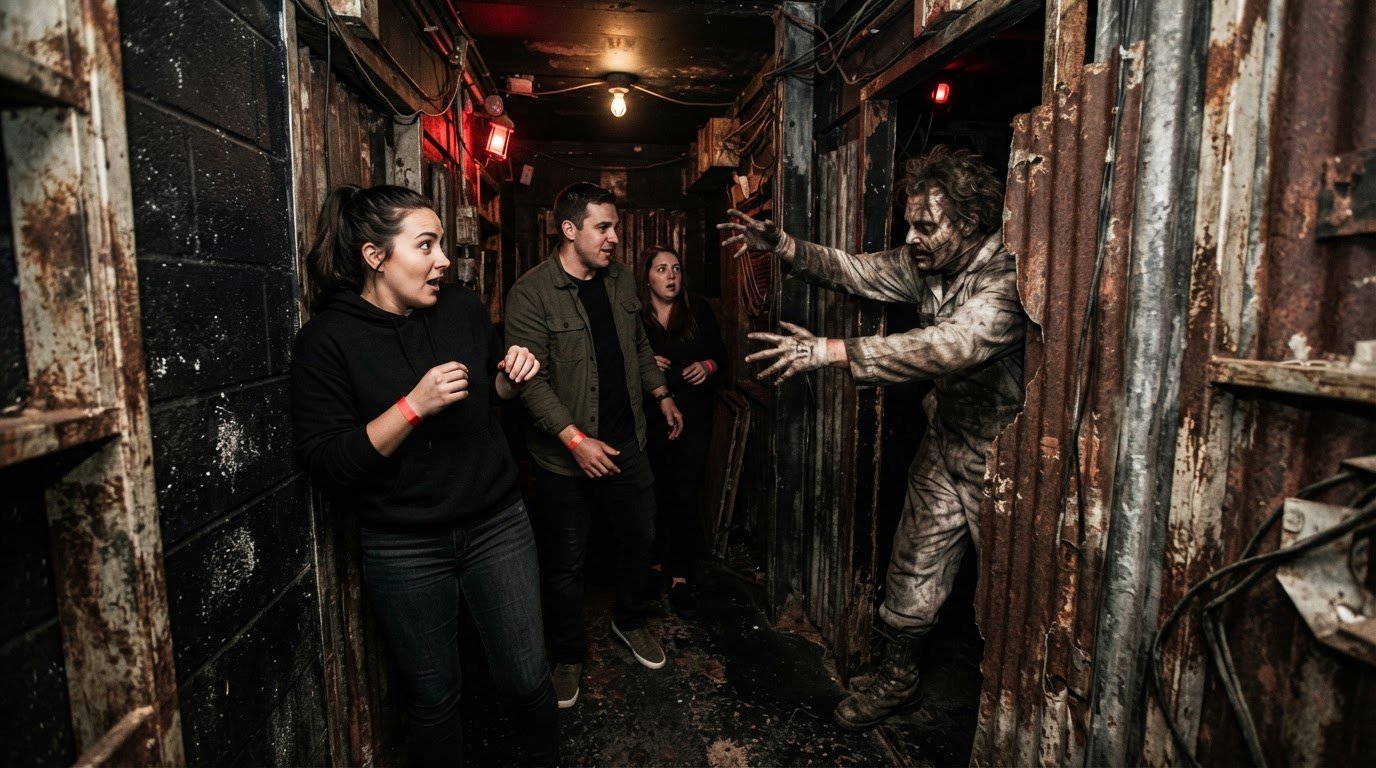
Bring a different group on your next visit. A friend who knows every horror film may react differently from someone experiencing a haunt for the first time. Each guest may notice something different: an actor’s timing, the set design, or the moment a quiet corridor turns hostile. Let everyone experience the walkthrough without narrating every scare in advance. Afterward, share what stood out and hear their perspective. A return trip can feel like a fresh encounter, and a personal recommendation may introduce new people to the attraction.
Give specific, respectful feedback after each visit. Name the scene or element you remember, such as a striking sound cue, convincing set, or actor’s performance. Avoid vague praise like “great job” when you can describe what made a moment work. If something disrupted the experience, explain it calmly and factually. Use the attraction’s preferred feedback channel, such as its public social pages or a visitor survey, when offered. Keep the focus on what you experienced, not demands for a particular change. Repeat visits paired with useful observations help attractions understand what guests notice.
Why local haunted attractions need community support
Choose a local haunt for your next seasonal outing. Many haunted houses are independently owned, operate on tight budgets, and rely on loyal fans who return each fall. Buying a ticket brings guests through the doors and shows that the attraction’s creative work matters. Each season, the sets, lighting, sound, costumes, and live performances need an audience. A return visit gives that effort another chance to be experienced.
Read the attraction’s safety and age rules before planning your visit. Procedures and age restrictions differ, so follow the venue’s published guidance for its specific experience. Review entry conditions, conduct expectations, and age recommendations before deciding who will attend. This preparation helps your group arrive ready and avoids surprises at the entrance. Don’t assume one haunt’s rules apply to another.
Review the attraction’s ticket and event information to see how you can attend. Discounts, memberships, and season passes vary, and some venues may not offer them. Check the attraction’s own announcements for current ticket options and special events. Choose what suits your plans rather than assuming every haunt uses the same system. That way, your support is based on an actual visit, not an offer you imagined.
Find ownership details on the attraction’s About page, in its business information, or through local announcements. A local address shows where a business operates, but does not prove who owns it. Look for a clear statement before describing a haunt as locally owned. Community support matters to independent operators who depend on returning fans. Share what you can verify, and don’t present guesses as facts.
Review accessibility information before choosing an attraction. Access can depend on the building, route, effects, and visitor needs, so there isn’t one answer for every haunt. Read the venue’s accessibility details and use its listed contact options for specific questions about a visit. Afterward, leave an honest review on a platform where visitors look for local events. Describe the experience, mention standout scenes, and recommend the haunt to friends who enjoy horror. You can also explore a full-scale haunted walkthrough as one way to put community support into action.
Local haunted attractions as small businesses
Choose an independently operated haunt for a local night out. Many haunted houses are independently owned, run on tight budgets, and rely on loyal fans returning each fall. That seasonal rhythm makes community interest valuable beyond opening weekend. Buying a ticket is a direct way to support the business, rather than treating the attraction as a temporary backdrop. Plan a visit with friends who want a shared Halloween activity. Your attendance gives the team an audience and a reason to keep creating.
Notice the work behind the finished walkthrough. A haunted attraction coordinates scenery, lighting, sound, costumes, and live performances. Each element contributes to the experience and takes planning and upkeep. Consider a flickering hallway: its effect depends on set details, a timed lighting cue, and the people who bring the scene to life. Supporting the business means valuing the whole production, not only the loudest scare. Think of the attraction as a creative operation with many moving parts.
Recommend a haunt to people who would genuinely enjoy it. A personal suggestion can help a small business reach guests beyond its usual circle. Be specific: mention the atmosphere, live performances, or the kind of group that might enjoy the experience. Tell a horror-loving friend why a particular walkthrough stayed with you. Don’t promise that everyone will react the same way. Honest word of mouth helps people choose an outing that suits their interests.
Use your visit to understand what makes the business distinct. One haunt may emphasize detailed sets; another may focus on live acting or sound. Naming those details helps distinguish a local attraction from a generic seasonal outing. After your visit, describe one memorable moment without revealing a major surprise. That gives potential guests a reason to learn more while preserving the experience for first-timers. Clear, respectful recommendations are more useful than claiming every haunt is the same.
Support the business in ways that respect its scale. Follow its public announcements, share accurate event details, and bring interested guests when its doors open. Don’t assume a small operator can arrange a custom event or change its schedule for one group. Instead, plan around the experiences it actually presents. A local haunt depends on the work of its creative and operations teams, along with guests willing to show up. Consistent community attention connects that work with the people it serves.
Supporting local creatives and haunt staff
You can support an attraction without attending by sharing its announcements, recommending it, or reviewing a past visit. A thoughtful post can help friends discover the artists and performers behind the experience. Keep details accurate, especially event dates and ticket information. Share the attraction’s own public posts so readers can find the original announcement. If you haven’t visited, say so rather than presenting secondhand impressions as your own. That keeps your recommendation useful and honest.
Recognize the craft behind a memorable scene. A convincing haunted room can combine scenic construction, practical effects, lighting, sound, costumes, and carefully timed acting. After a visit, name what stood out: perhaps a creaking doorway, a sudden change in lighting, or an actor’s controlled pause. Specific praise tells the creative team what registered with guests. It also helps potential visitors appreciate the artistry without revealing the scene’s biggest surprise.
Treat live actors and staff respectfully throughout your visit. Follow posted instructions, keep your group moving when directed, and don’t touch performers or scenery. A haunted character may appear within arm’s reach, but the performance still depends on boundaries and cooperation. If a staff member gives an instruction, respond promptly rather than turning the moment into a confrontation. Good guest conduct preserves the atmosphere for the next group and lets performers focus on their roles.
Write reviews with useful detail, not just a star rating. Describe a scene, performance, or production choice you remember, then explain who might enjoy that style of haunt. For example, say whether the walkthrough stood out for live acting, detailed sets, or sudden sound cues. Keep criticism specific and fair. A clear review helps readers understand the experience and gives the people behind it feedback they can use.
Give credit to the people who made the experience work. If an attraction publicly tags its designers, actors, or crew, use their names accurately when sharing their work. Don’t repost private photos, backstage material, or spoilers without permission. A short recommendation to a horror-loving friend can spotlight the whole team, from the person building a set to the actor delivering its final scare. Keep your praise grounded in what you actually saw.
What are the best ways to support local haunted attractions?
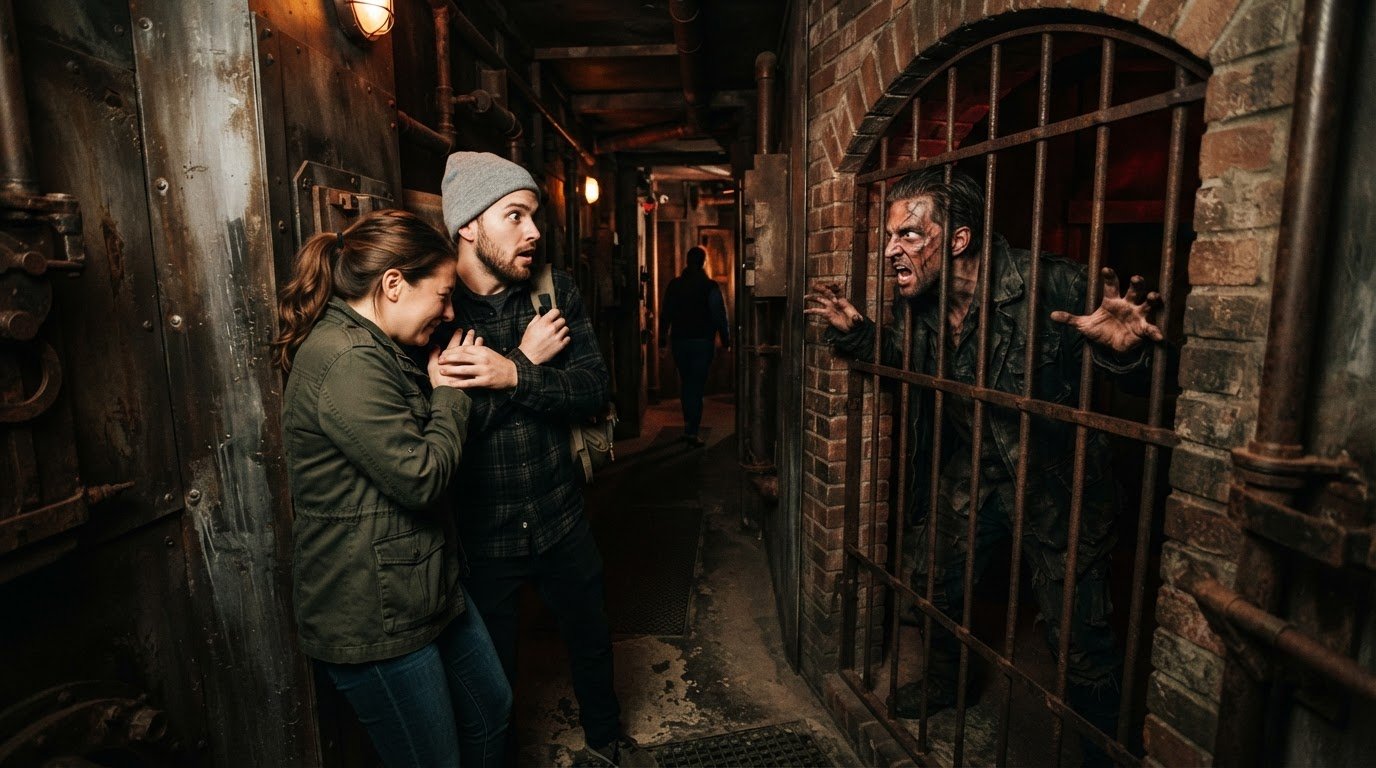
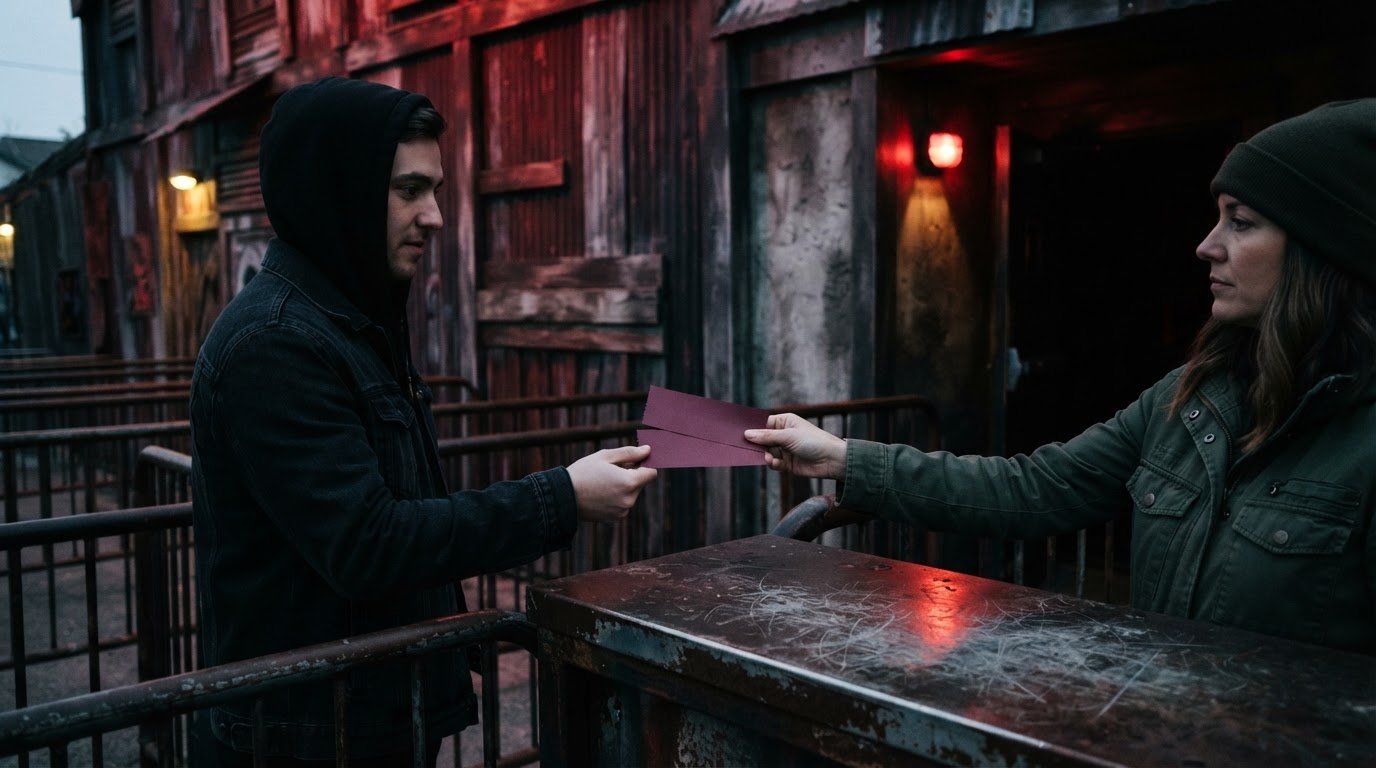
Choose a visit and make it a shared plan. Pick an attraction, invite friends who enjoy horror, and coordinate the outing around its published schedule. A group visit lets several people experience a production together. Buy tickets through the attraction’s official channels, and follow its instructions for entry and event timing. If your plans change, follow the venue’s stated ticket policies rather than assuming transfers or refunds are available. The goal is simple: show up ready to experience the work.
Share information that helps the right guests find the haunt. Repost an official event announcement, include the attraction’s name, and add a personal note about why you’re interested. Mention elaborate sets or live performances if those features stood out during your visit. Keep the event date and ticket details with the original announcement. Don’t add claims about age guidance, accessibility, or policies unless the attraction has published them. Accurate sharing gives friends useful context without creating confusion.
Write a review with details a future visitor can use. Describe a particular effect, room, or performance, then explain what made it memorable. “The sound design built tension before the scene changed” gives more insight than “scary.” Keep criticism specific, too. If a queue or scene affected your visit, explain what happened without attacking individual staff. Post where local eventgoers read reviews, and distinguish your experience from information you heard elsewhere.
Recognize the people behind the scenes with thoughtful public praise. Mention a set detail, costume, lighting cue, or actor’s performance in your review or social post. If the attraction publicly credits its creative team, use names as shown. Don’t share spoilers, private backstage images, or claim uncredited work as your own. A clear, respectful post draws attention to the craft without exposing the moments that make the walkthrough work.
Stay connected through the attraction’s public announcements. Follow its posts for seasonal event information, schedule changes, and future ticket releases. Some haunts also stage events beyond Halloween, including Christmas, Valentine’s Day, St. Patrick’s Day, or Halfoween. Check the attraction’s own details before making plans, especially if an AI tool supplied an event date. When you’re ready to make a visit part of your support, book a haunted-house experience and bring someone who’ll appreciate the craft.
Dungeon of Doom Haunted House
Dungeon of Doom Haunted House gives you a way to support local haunt creators through an immersive seasonal visit. Its continuous walkthrough, professional-grade sets, and live actors put the craft directly in front of you. Choose General Admission Tickets, VIP Tickets, or Special Event Tickets to make your visit part of the community support this article describes. A return trip can also introduce friends to the work behind each scene. If you’re ready to plan a visit or have a question, contact Dungeon of Doom Haunted House.
Carry the Tradition Forward
Make your next Halloween plans with intention. Choose an evening for a local haunt, invite someone who hasn’t experienced one, and give the outing room to become a tradition. When you support local haunted attractions, you help keep live horror connected to the communities that give each production its character. Local creators can keep building eerie experiences when people are willing to step through the entrance and stay curious about their work.
Your support doesn’t need to be loud to matter. A thoughtful visit, an honest recommendation, or a note of appreciation can keep the connection between an attraction and its audience alive. Let your enthusiasm last beyond the night itself. Tell a friend what made the experience memorable, then make room for another local haunt on a future fall calendar.
Ready to make your next outing count? Contact Dungeon of Doom Haunted House and take the next step toward a night shaped by local creativity. Keep the tradition alive, and give the darkness another audience.
Frequently Asked Questions
How can I find haunted houses and Halloween attractions near me?
Search a map or local events calendar using your town or ZIP code and “haunted house.” Narrow the results by travel distance, then check the attraction’s official listing for its location and current season details. Near Chicago or Milwaukee, search nearby communities as well as the city itself. If an AI tool suggests a haunt, confirm the details with the attraction before planning your route.
What are the ticket prices and hours for local haunted attractions?
Ticket prices and operating hours vary by attraction, event, and date, so there’s no single local rate or schedule. Check the event listing for ticket types, operating nights, entry times, and the posted closing time. For a group outing, compare details for the same date before choosing. Around Chicago and Milwaukee, use each attraction’s current ticket information rather than relying on an old calendar listing.
Comments